Alto Sax Finger Chart PDF: A Comprehensive Guide
Navigating the world of alto saxophone requires a reliable finger chart․ Numerous PDF resources are available online‚ ranging from basic charts to detailed guides like Saxstation’s 60-page document․
Understanding the Basics of Alto Saxophone Fingerings
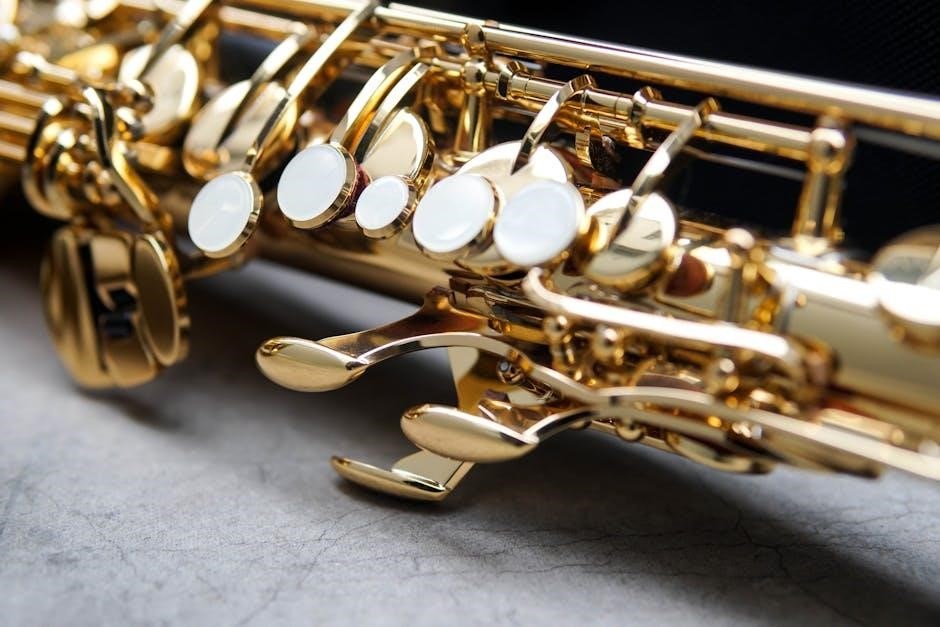
Mastering the alto saxophone begins with understanding fundamental fingerings․ These charts visually represent which keys to press to produce specific notes․ The standard alto saxophone‚ a commonly chosen instrument for beginners‚ is pitched in E♭‚ influencing the fingering patterns․

Basic fingerings typically start with the left-hand keys for lower notes‚ gradually incorporating the right hand as you ascend the scale․ Charts often display notes across the saxophone’s range‚ illustrating the necessary combinations for each pitch․ Recognizing patterns – like how adding a single finger changes the note – is crucial․
PDF finger charts are invaluable tools‚ offering a portable and accessible reference․ They often include diagrams showing both hands and the corresponding notes․ Understanding the relationship between finger placement and sound production is key to developing proper technique and musicality․ Resources like those found online provide a solid foundation for learning and practicing․
Where to Find Reliable Alto Sax Finger Chart PDFs
Locating trustworthy alto saxophone finger chart PDFs is essential for effective learning․ Numerous online resources offer downloadable charts‚ but quality varies․ Websites dedicated to music education and saxophone instruction are excellent starting points․
Saxstation provides a comprehensive 60-page saxophone finger chart PDF‚ covering various saxophone types‚ including the alto․ Other sources include general music resource sites offering free downloads of basic alto sax fingerings․ Searching specifically for “alto sax fingering chart PDF” yields numerous results‚ but careful evaluation is needed․
Consider the chart’s clarity‚ accuracy‚ and completeness․ Look for charts that display fingerings for the full range of the instrument and include octave key indications․ Reputable music stores and saxophone forums often link to reliable PDF resources․ Always cross-reference information to ensure accuracy and avoid misinformation․ Prioritize charts from established educators or organizations․
Standard Alto Saxophone Finger Chart Layout
Typical alto saxophone finger charts present a visual representation of key presses for each note․ These charts commonly arrange notes chromatically‚ often starting with the lowest note and ascending․ The layout usually depicts the saxophone’s keys as if viewed from the player’s perspective․
Fingerings are illustrated using diagrams of the saxophone’s keys‚ with filled or shaded circles indicating which keys to press․ Charts frequently include markings for the octave key and alternate fingerings․ Many charts categorize notes by octave‚ making it easier to locate specific fingerings․

A standard chart will also indicate the corresponding note name (e․g․‚ C‚ D#‚ F) alongside each fingering․ Some advanced charts incorporate symbols for dynamics or articulation․ The Saxstation PDF‚ for example‚ offers a detailed layout across 60 pages‚ likely including variations in presentation․ Clarity and ease of understanding are paramount in a well-designed chart․
Key Fingerings for Common Notes
Essential alto saxophone fingerings begin with B♭‚ achieved by pressing the first three keys of the left hand․ C is produced by adding the first key of the right hand․ D requires the first three left-hand keys and the first two right-hand keys․ E involves all keys of both hands‚ excluding the lower palm key․
F# utilizes a similar fingering to E‚ but with a slight adjustment; G is formed by releasing the lowest right-hand key from the E fingering․ A commonly employs the first three left-hand keys and the first and third right-hand keys․ These are foundational for many musical passages․
PDF charts‚ like those freely downloadable‚ visually demonstrate these․ Mastering these core fingerings is crucial for beginners․ The Saxstation chart likely details these and more complex combinations․ Understanding these basic fingerings allows for smoother transitions and quicker learning of more challenging pieces‚ building a solid foundation for saxophone proficiency․
Octave Keys and Their Function
Alto saxophone octave keys are pivotal for extending the instrument’s range․ The primary octave key‚ operated by the left thumb‚ shifts the pitch up by a full octave when pressed․ This key is fundamental for accessing higher registers‚ enabling a wider melodic scope․
PDF finger charts clearly illustrate octave key usage alongside standard fingerings․ Often‚ charts will show the same fingering with and without the octave key engaged‚ demonstrating the resulting pitch change․ Mastering octave key transitions is essential for fluid playing in higher octaves․
Some alto saxophones feature an additional octave vent‚ assisting in smoother octave jumps․ Charts like the Saxstation PDF may detail these nuances․ Correct embouchure and breath control are vital when utilizing octave keys to avoid squeaks or unstable tones․ Understanding their function unlocks a significant portion of the saxophone’s potential․

Understanding Alternate Fingerings
Alto saxophone finger chart PDFs often showcase alternate fingerings – different combinations of keys producing the same note․ These aren’t errors‚ but valuable tools for enhancing technique and musical expression․ They provide solutions for faster passages‚ smoother transitions‚ and unique tonal colors․
Alternate fingerings can circumvent awkward hand movements or facilitate legato phrasing․ A comprehensive chart‚ like those available for free download‚ will present multiple options for common notes․ Experimentation is key to discovering which fingerings feel most comfortable and sound best in specific contexts․
However‚ relying solely on alternate fingerings isn’t advisable․ A solid foundation in standard fingerings is crucial․ Charts often indicate which alternatives are most practical or commonly used․ Mastering both standard and alternate fingerings expands a player’s versatility and control over the instrument;
Fingerings for the Altissimo Register
Exploring the altissimo register – the highest range of the alto saxophone – demands specialized fingerings‚ often absent from basic charts․ Advanced PDF resources‚ and online demonstrations‚ are essential for navigating these challenging notes․ These fingerings frequently involve complex combinations of keys‚ including octave keys and side keys․
Altissimo fingerings aren’t universally standardized; variations exist based on instrument and player preference․ Charts dedicated to this register‚ like those found through video tutorials with downloadable PDFs‚ provide a starting point for experimentation․ Developing embouchure control is equally vital alongside correct fingering․
Successfully executing altissimo requires significant practice and a refined ear․ Many charts illustrate multiple fingering options for each altissimo note‚ allowing players to find what works best for their instrument and technique․ Patience and consistent effort are crucial for mastering this demanding aspect of saxophone playing․
Resources for Learning Alto Saxophone Fingerings Online

Numerous online resources supplement PDF finger charts for alto saxophone․ Websites and YouTube channels offer video tutorials demonstrating proper fingering techniques‚ often with accompanying downloadable PDFs for reference․ These visual aids are invaluable for understanding complex fingerings and observing hand positions․
Saxstation provides a comprehensive saxophone finger chart‚ available as a PDF‚ covering various saxophone types․ Beyond static charts‚ interactive websites allow users to virtually “play” notes and see the corresponding fingerings․ Forums and online communities dedicated to saxophone playing offer opportunities to ask questions and share fingering tips․
Many instructors also provide personalized fingering guides and resources to their students․ Utilizing a combination of PDF charts‚ video lessons‚ and community support accelerates learning․ Remember to cross-reference information from multiple sources to ensure accuracy and develop a well-rounded understanding of alto saxophone fingerings․
Saxstation Saxophone Finger Chart BW PDF Details
The Saxstation Saxophone Finger Chart BW PDF is a widely recognized resource for saxophone players‚ encompassing a broad range of instruments․ This particular chart spans 60 pages and includes fingerings for Bari Sax‚ Soprano Sax‚ Alto Sax‚ Tenor Sax‚ and Baritone Sax‚ making it a versatile tool for multi-instrumentalists․
Presented in black and white (BW)‚ the PDF focuses on clarity and functionality‚ prioritizing ease of use over elaborate graphics․ It’s structured with sections dedicated to each saxophone type‚ clearly displaying fingerings for various notes and techniques; The chart also includes sections labeled “Sax Section 1” and “Sax Section 2”‚ potentially offering progressive learning or alternative approaches․

While not specifically focused solely on the alto saxophone‚ the dedicated alto sax section (page 121) provides a comprehensive overview of standard fingerings․ It’s a valuable resource for beginners and experienced players alike‚ offering a quick reference guide for common and less common notes․ The PDF format allows for easy printing and portability․
Free Downloadable Alto Saxophone Fingering Charts (PDF)
Numerous websites offer free downloadable alto saxophone fingering charts in PDF format‚ catering to various skill levels․ These resources range from basic charts illustrating fundamental fingerings to more detailed guides encompassing alternate fingerings and extended techniques․
Several sources provide concise‚ single-page charts ideal for quick reference during practice sessions․ Others‚ like those found through online searches‚ offer more comprehensive charts‚ sometimes exceeding several pages‚ detailing fingerings for a wider range of notes and octaves․ A 304KB PDF is available for basic fingerings‚ while a smaller 49KB chart offers a streamlined overview․
These downloadable charts are invaluable for beginners learning the instrument‚ providing a visual aid to correlate finger positions with corresponding notes․ Experienced players can also benefit from having a readily accessible reference for less frequently used fingerings or for exploring alternate techniques․ The PDF format ensures compatibility across various devices and allows for easy printing and portability‚ facilitating convenient practice anywhere․
Customizing Finger Chart PDFs for Practice
Downloaded alto saxophone finger chart PDFs aren’t set in stone; they can be customized to enhance your learning experience․ PDF editing software allows you to annotate charts‚ highlighting frequently used fingerings or those you find particularly challenging․
Adding personal notes directly onto the PDF – such as reminders about breath support or embouchure adjustments – can create a tailored practice resource․ You can also circle or color-code fingerings for specific scales or exercises‚ streamlining your practice routine․ For beginners‚ marking the notes corresponding to each fingering can accelerate learning․
Furthermore‚ you can crop PDFs to focus on specific ranges or techniques‚ creating mini-charts for targeted practice․ Some users even print charts and laminate them for durability‚ allowing for dry-erase annotations․ This level of customization transforms a static PDF into a dynamic‚ personalized tool‚ maximizing its effectiveness and catering to individual learning styles and practice goals․
The Role of Finger Charts in Saxophone Learning
Alto saxophone finger chart PDFs are indispensable tools‚ particularly for beginners‚ serving as a visual roadmap to navigate the instrument’s complex fingering system․ They bridge the gap between musical notation and physical execution‚ enabling players to quickly locate the correct finger positions for each note․

Beyond simple note-finding‚ charts foster a deeper understanding of the saxophone’s mechanics․ They reveal patterns and relationships between fingerings‚ aiding in memorization and improvisation․ Charts also support the development of muscle memory‚ crucial for fluid and accurate playing․ Resources like Saxstation’s comprehensive PDF offer a detailed overview․

However‚ finger charts shouldn’t be viewed as a crutch․ They are a learning aid‚ meant to be gradually internalized․ The ultimate goal is to play without constant reference to a chart‚ relying instead on ingrained muscle memory and musical intuition․ Effective practice involves using charts initially‚ then progressively reducing reliance as proficiency grows․
Comparing Different Alto Sax Finger Chart Styles
Alto sax finger chart PDFs vary significantly in style and complexity․ Some charts prioritize simplicity‚ presenting only essential fingerings for basic notes‚ ideal for absolute beginners․ Others‚ like those found within Saxstation’s extensive PDF‚ offer a comprehensive view‚ including alternate fingerings‚ octave keys‚ and even altissimo register options․
Visual presentation also differs․ Charts may employ color-coding to highlight specific keys or use diagrams with varying levels of detail․ Some charts focus on a traditional layout‚ while others adopt more innovative designs for clarity․ The choice depends on individual learning preferences and needs․
Furthermore‚ charts can be categorized by their intended use․ Basic charts are suitable for learning fundamental fingerings‚ while advanced charts support exploration of extended techniques․ Considering these stylistic differences allows players to select a PDF that best aligns with their skill level and learning goals‚ maximizing their practice efficiency․
Using Finger Charts with Other Learning Materials
Alto sax finger chart PDFs are most effective when integrated with other learning resources․ A PDF alone doesn’t provide auditory feedback or musical context․ Combining a chart with instructional books‚ online lessons‚ or private instruction accelerates progress․
Consider using a chart alongside sheet music․ This allows players to visually connect fingerings to written notes‚ reinforcing both theoretical and practical understanding․ Video tutorials demonstrating proper embouchure and breathing techniques complement the visual guidance of a chart․
Moreover‚ apps and software often incorporate interactive finger charts‚ offering a dynamic learning experience․ Utilizing a PDF in conjunction with these tools creates a multi-faceted approach․ Remember‚ a finger chart is a reference tool‚ not a replacement for comprehensive musical education․ Consistent practice and diverse learning methods are crucial for mastering the alto saxophone․
Troubleshooting Common Fingering Challenges
Even with an alto sax finger chart PDF‚ players often encounter difficulties․ Common issues include sluggish finger movement‚ inaccurate key presses‚ and trouble with complex combinations․ Slow‚ deliberate practice is key; focus on precision over speed initially․
Many struggle with the octave key and its impact on intonation․ Refer to the PDF to confirm correct fingering and experiment with slight adjustments to the embouchure․ Alternate fingerings‚ while offering flexibility‚ can introduce inconsistencies if not practiced meticulously․
If facing challenges with the altissimo register‚ ensure a solid foundation in lower registers first․ Consult specialized charts detailing altissimo fingerings and practice them slowly․ Remember that proper hand position and breath support are vital․ Don’t hesitate to seek guidance from a teacher to address persistent issues and refine technique․ Consistent‚ focused practice‚ guided by a reliable PDF‚ will overcome these hurdles․